Best Mushroom Coffee
A practical guide to compare the options and choose according to your needs.
Read article
Take our 60-second quiz to find the best mushroom coffee for your goals: focus, energy, gut health or weight loss. Personalized recommendation included.
 Written by Tim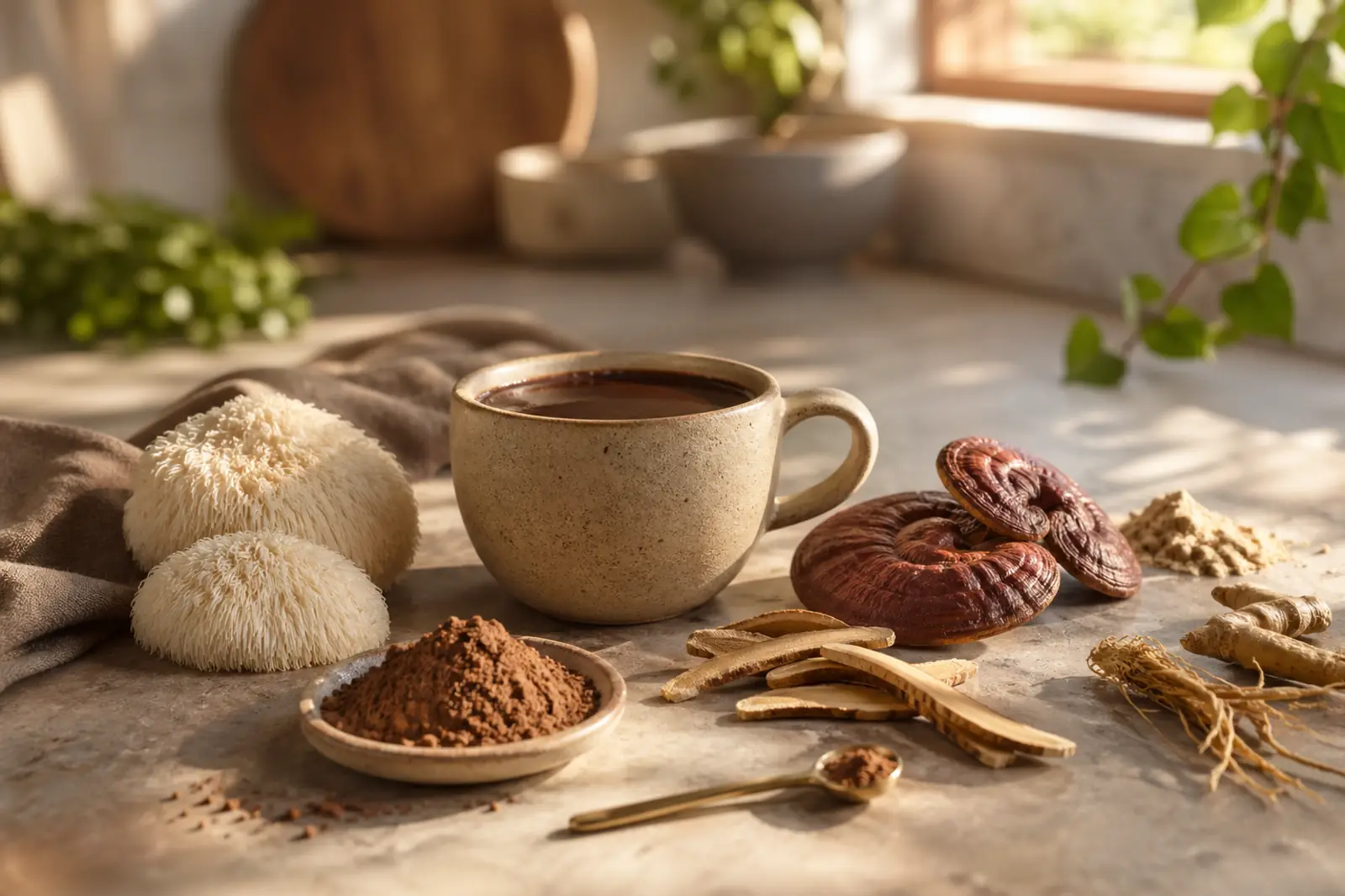
Answer 5 quick questions and we will match you with the best mushroom coffee for your needs.
Not all mushroom coffees are equal. Some focus on Lion's Mane for cognitive support, others on Chaga for immunity, and some blend multiple mushrooms for broader benefits. Your ideal product depends on your primary goal, caffeine tolerance, and budget.
This quiz uses our product analysis and editorial ranking to match your profile with the right option. No generic recommendations, just a documented suggestion based on the same criteria we apply across our comparison: composition, transparency, price per serving and user feedback.
The quiz factors in five dimensions: your main health goal (focus, energy, gut health, weight), your current caffeine consumption, whether you prefer powder or capsules, your budget range, and any dietary restrictions (vegan, organic preference). Each answer adjusts the scoring to find the best product fit.
Your result is a starting point, not a verdict. It points to the product whose composition and format best match your answers, along with one or two alternatives worth comparing. Before buying, open the brand's page and check the three things a quiz cannot verify for you: the exact ingredient list of the current formula, the price per serving once shipping is included, and the returns policy of the official store.
If two products score close together, the practical tiebreaker is usually format and taste rather than the mushroom blend itself. A product you enjoy drinking every morning will always deliver more than a marginally better formula that stays in the cupboard.
Lion's Mane is the most popular choice for focus-oriented blends. Research on its cognitive effects is still developing, but it is the mushroom most consistently associated with mental clarity in both studies and user reports, which is why focus products almost always feature it first.
Chaga is the immunity classic, traditionally consumed as a tea in northern countries. In coffee blends it mostly contributes antioxidants and an earthy depth of flavor. Cordyceps is the energy and performance option, popular with athletes and often paired with a modest dose of natural caffeine.
Reishi sits at the opposite end: it is the evening and relaxation mushroom, which is why it appears more often in caffeine-free blends than in morning coffees. Many products combine several of these in one formula; in that case, look at the dose per mushroom rather than the length of the ingredient list. A blend with meaningful amounts of two mushrooms usually beats one with traces of six.
Most mushroom coffees contain roughly half the caffeine of a standard cup, sometimes less. If you currently drink three or more coffees a day, the smoothest transition is gradual: replace one cup at a time over a week or two rather than switching overnight, which can trigger the classic caffeine-withdrawal headache.
Taste-wise, expect something closer to a dark, earthy coffee with cocoa notes than to a bright espresso. Most people adjust within a few days. If the flavor is the main obstacle, preparing it as a latte with hot milk or a plant-based alternative rounds off the earthiness considerably.
Give the switch two to three weeks before judging the difference. The most commonly reported change is not a burst of energy but the absence of something: less jitteriness, a smaller afternoon crash, and for sensitive drinkers, better sleep. Our full mushroom coffee comparison details how each product on the market fits this transition.
Powders are the default for a reason: they keep the coffee ritual, cost less per serving, and let you adjust the dose. Their only real drawback is that they require a minute of preparation and travel less easily. If your mornings are chaotic, capsules remove every excuse; you lose the warm-drink ritual but keep the routine, which is what actually matters over weeks.
Ready-to-drink formats and single-serve sachets sit in between: convenient for the office or travel, noticeably more expensive per serving. A pragmatic setup many readers land on is a powder tin at home and a few sachets in the bag. The quiz weighs your format preference precisely because the best formula is worthless in a format you will not stick with.
The first mistake is shopping by mushroom count. Labels advertising six or eight mushrooms often contain trace amounts of each, too little to matter. A transparent brand states the extract dose per mushroom per serving; if you cannot find that number, treat the blend as flavoring rather than function.
The second is ignoring the extraction method. Functional compounds in mushrooms sit in the fruiting body and need proper extraction to be bioavailable. Products based on mycelium grown on grain are cheaper to produce and usually weaker; the label distinction to look for is fruiting body extract.
The third is judging after three days. Unlike caffeine, the interesting effects of functional mushrooms, when they occur, build up quietly over weeks of regular use. Pick one product, use it daily for a month, then decide. Switching brands every week guarantees you will never know what worked.
Answer 5 quick questions about your goals, caffeine habits and budget. The quiz matches your profile to the best product from our tested ranking.
Mushroom coffee typically has less caffeine and adds functional benefits from adaptogens like Lion's Mane and Chaga. It's a good fit if you want focus without jitters.
Lion's Mane is the most studied mushroom for cognitive support. Products that combine it with caffeine tend to work best for sustained focus.
Some mushroom coffees are low-calorie and contain Chaga or Reishi which may support metabolism. They work best as part of a balanced routine, not as a standalone solution.
No. Properly extracted mushroom powders are close to neutral, and the dominant flavors come from the coffee, cocoa or chicory in the blend. Expect an earthier, slightly darker cup than regular coffee, not a savory mushroom taste.
Yes. Your goals and caffeine habits change, and so do our rankings when formulas or prices move. Retaking the quiz after a few months is a quick way to check whether your current product is still the best match.
For most healthy adults, daily use at the recommended serving is considered fine. If you are pregnant, breastfeeding, on medication or have a medical condition, check with a healthcare professional first, and always start with one serving a day to assess your tolerance.
Most mushroom coffees contain 50-100 mg of caffeine per serving (about half a regular cup). Some are caffeine-free. The quiz factors in your caffeine preference.
To continue reading, also see Best Mushroom Coffee, Reviews and Mushroom Coffee Benefits.
A practical guide to compare the options and choose according to your needs.
Read article
A practical guide to compare the options and choose according to your needs.
Read article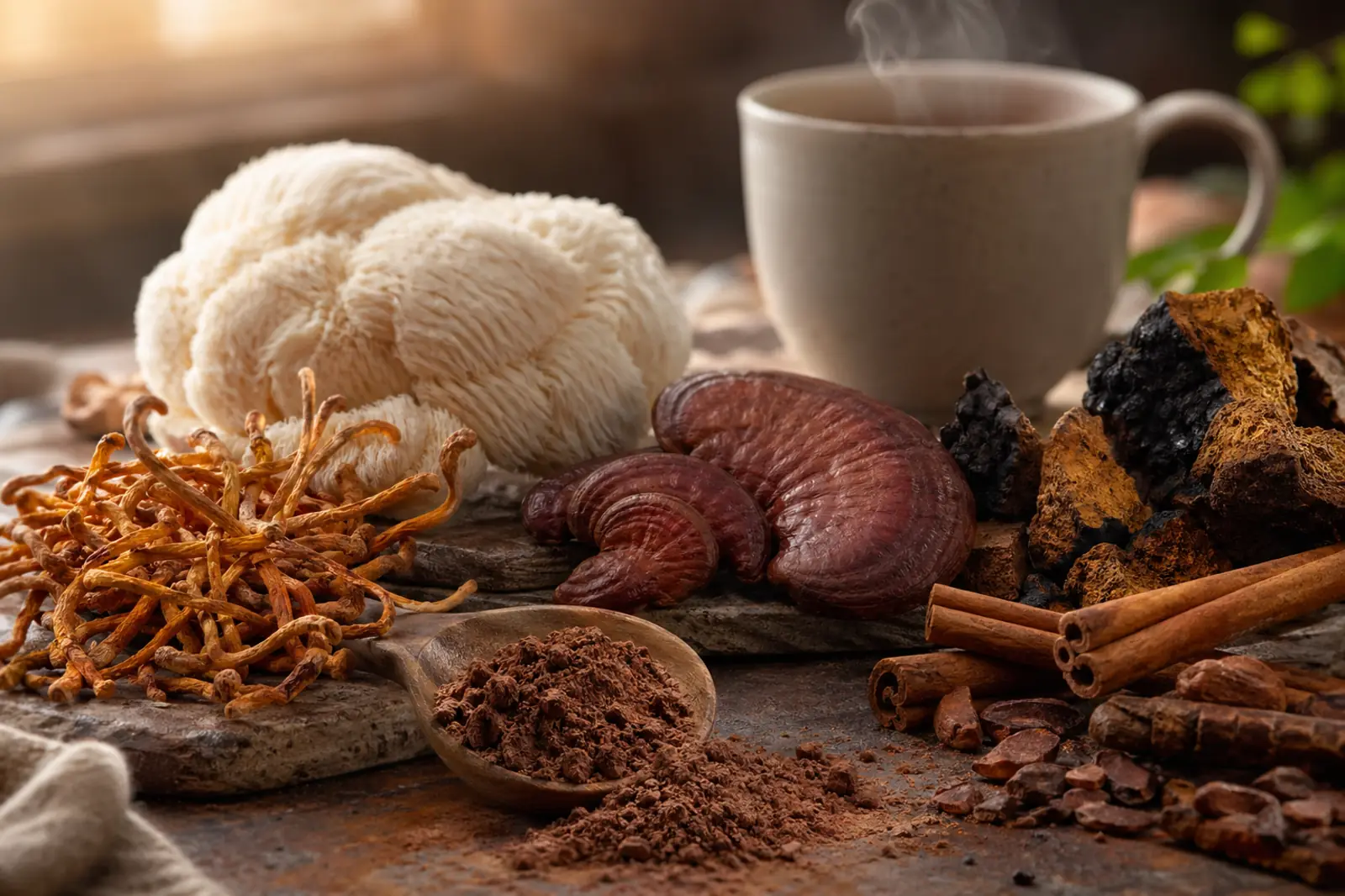
A practical guide to compare the options and choose according to your needs.
Read article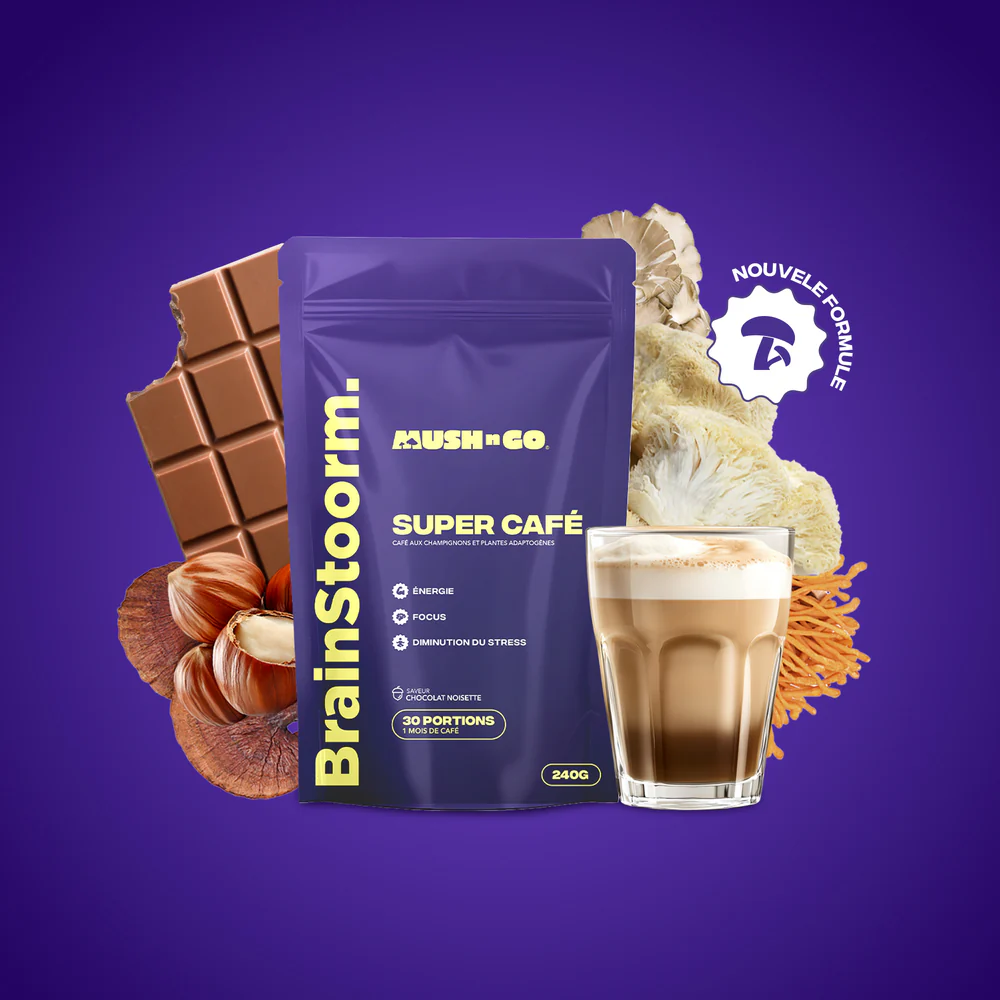 Partner offer
 Mush N Go Brainstoorm takes the top spot because it is the most direct match for mushroom coffee ...